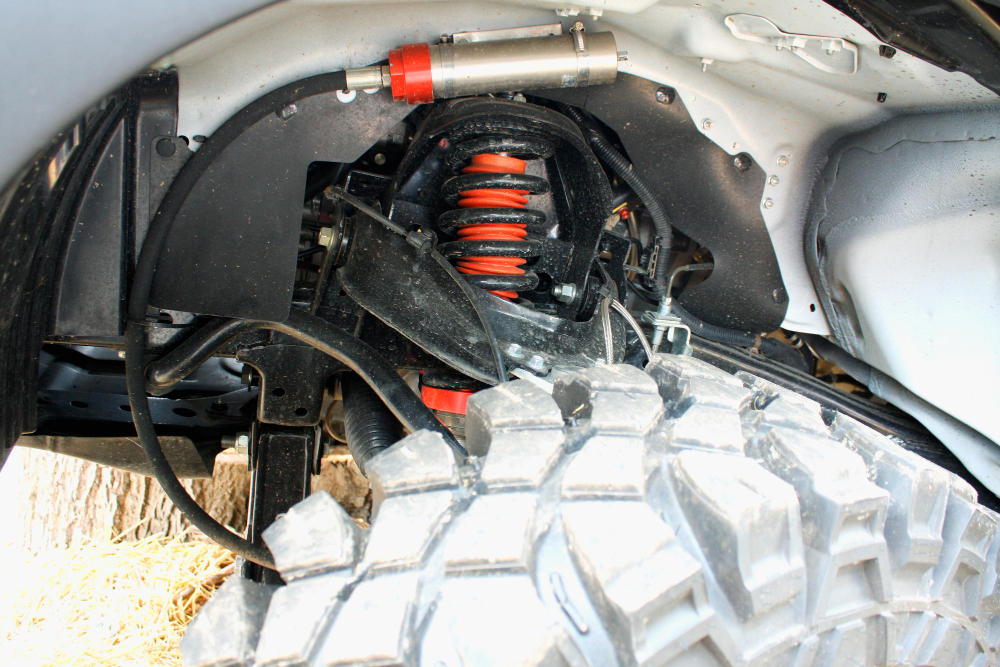
There is a specific feeling associated with driving a well-maintained European vehicle—a sensation often described as “planted” or “composed.” Whether you are cruising down the North-South Expressway or navigating the winding roads of Johor, the suspension system is what defines that signature ride quality. However, suspension components are wear-and-tear items. Over time, the dampers lose their pressure, and the springs lose their tension.
When your vehicle reaches this stage, a professional car suspension install is the most effective way to “reset” your car’s handling to its factory-fresh glory. In this article, we will share insights on when you should consider a full installation of new components and what to look for during the process.
Unlike a sudden engine failure, suspension degradation is often gradual. You might not notice the change day-to-day until the performance has dropped significantly. Here are the scenarios where a new installation is recommended over a simple repair:
As a general rule of thumb in the automotive industry, shock absorbers and struts should be inspected every 20,000 km and typically replaced every 80,000 to 100,000 km. Even if they aren’t visibly leaking fluid, the internal valving and hydraulic fluid degrade over millions of cycles, leading to a “softer” and less controlled ride.
If you see oil coating the exterior of your shock absorbers, the internal seals have failed. In this state, the component can no longer provide damping. Patching a leak isn’t an option; a proper car suspension install of a new unit is the only safe solution.
The roads in Malaysia can be unforgiving. Hitting a deep pothole at high speed can bend a strut or damage the internal piston of a shock absorber. If your car feels “unbalanced” or pulls to one side after a hard impact, the structural integrity of the suspension may be compromised.
A car suspension install is more than just “swapping parts.” To ensure the longevity of your new components and the safety of your vehicle, several professional standards must be met:
European cars are engineered with specific spring rates and damping curves. Installing “universal” or low-quality dampers can significantly alter the car’s DNA. It is always recommended to install OEM (Original Equipment Manufacturer) brands such as Bilstein, Sachs, or Boge, which are the original suppliers for brands like BMW, Mercedes, and Volkswagen.
Suspension components are under immense stress. Professional installers use torque wrenches to tighten bolts to the manufacturer’s exact specifications while the vehicle is at “ride height.” Tightening bolts while the wheels are hanging off a lift can cause the rubber bushings to twist and tear prematurely.
Modern European cars often feature electronic stability programs (ESP) that rely on data from the suspension. After a car suspension install, the vehicle should undergo a precision wheel alignment and, if applicable, a sensor recalibration to ensure the car’s “brain” understands the new physical limits of the hardware.
At Euroam Autowerk, we don’t just fix cars; we restore the driving experience. Located in Taman Melodies, JB, our facility is equipped with specialized tools designed specifically for European makes. We understand that our clients expect dealership-level precision with a more personalized, transparent approach.
Beyond our expertise in car suspension install, repair, and modification, we offer a full suite of premium automotive services:
Restoring your car’s suspension is an investment in your safety and driving pleasure. If your European vehicle is starting to feel tired, it might be time for a professional upgrade.
Visit Euroam Autowerk in Taman Melodies for the best car suspension install service in JB.
+6011 2122 2566
+6011 1056 8327
info@euroam.com.my
11, Jalan Balau, Taman Melodies,
80250, Johor Bahru, Malaysia
Monday to Saturday
9:00 AM – 6:00 PM
With years of hands-on experience in servicing European vehicles, our team has quickly built a reputation for reliability and excellence.